
EPP
Expanded polypropylene. Robust, elastic and impact-absorbing, even under repeated loads.
Particle foam is one of the most underrated materials of our time. Few people know it, and many leave its potential untapped.
Particle foams combine low weight with high temperature resistance and remarkable toughness. This interplay of physical and mechanical properties opens up applications that seemed unthinkable just a few years ago. With every new material and every new application, the limits of what is possible shift a little further. We are convinced that the potential of particle foam is only just beginning to unfold. And as a mold maker, we keep pace with every material development.
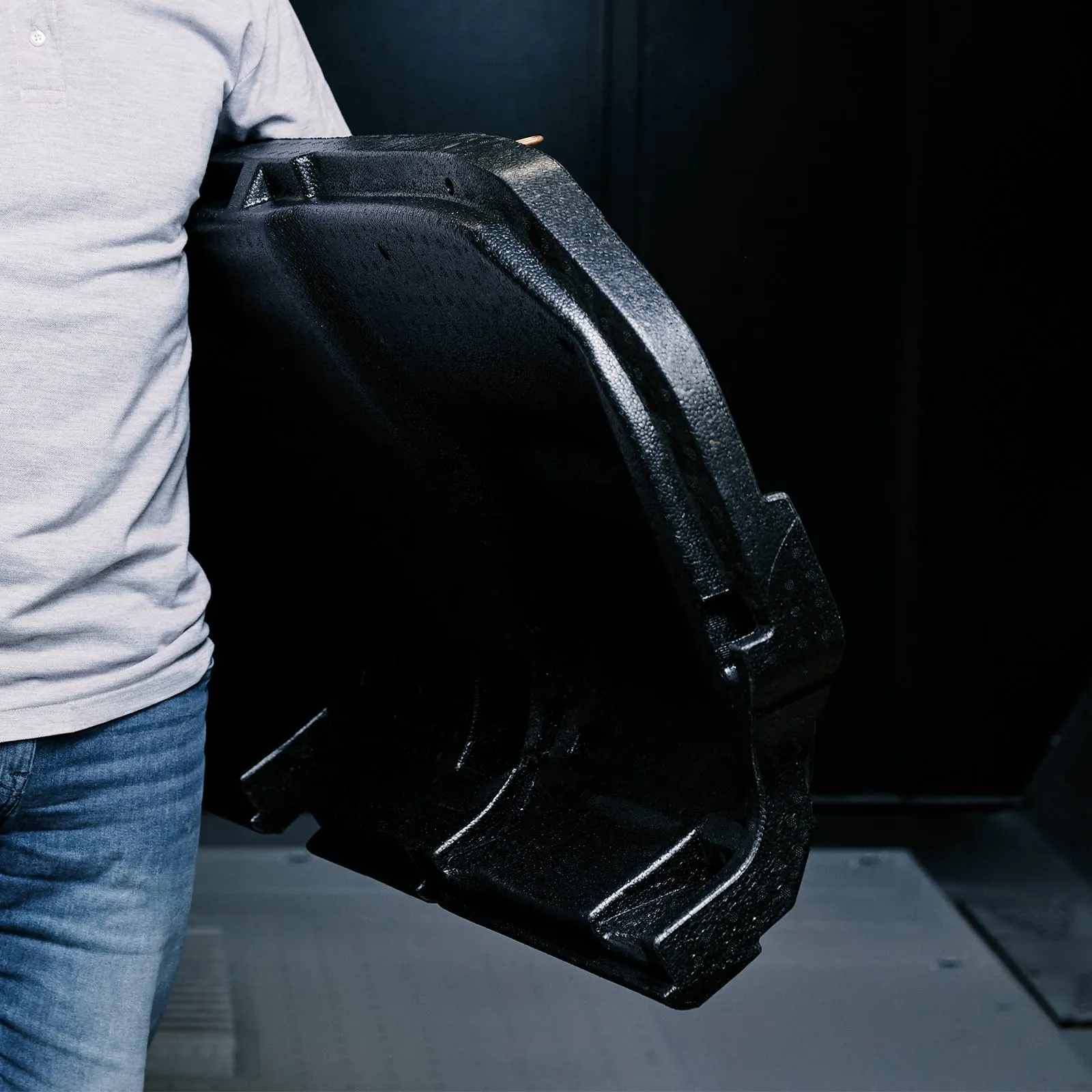
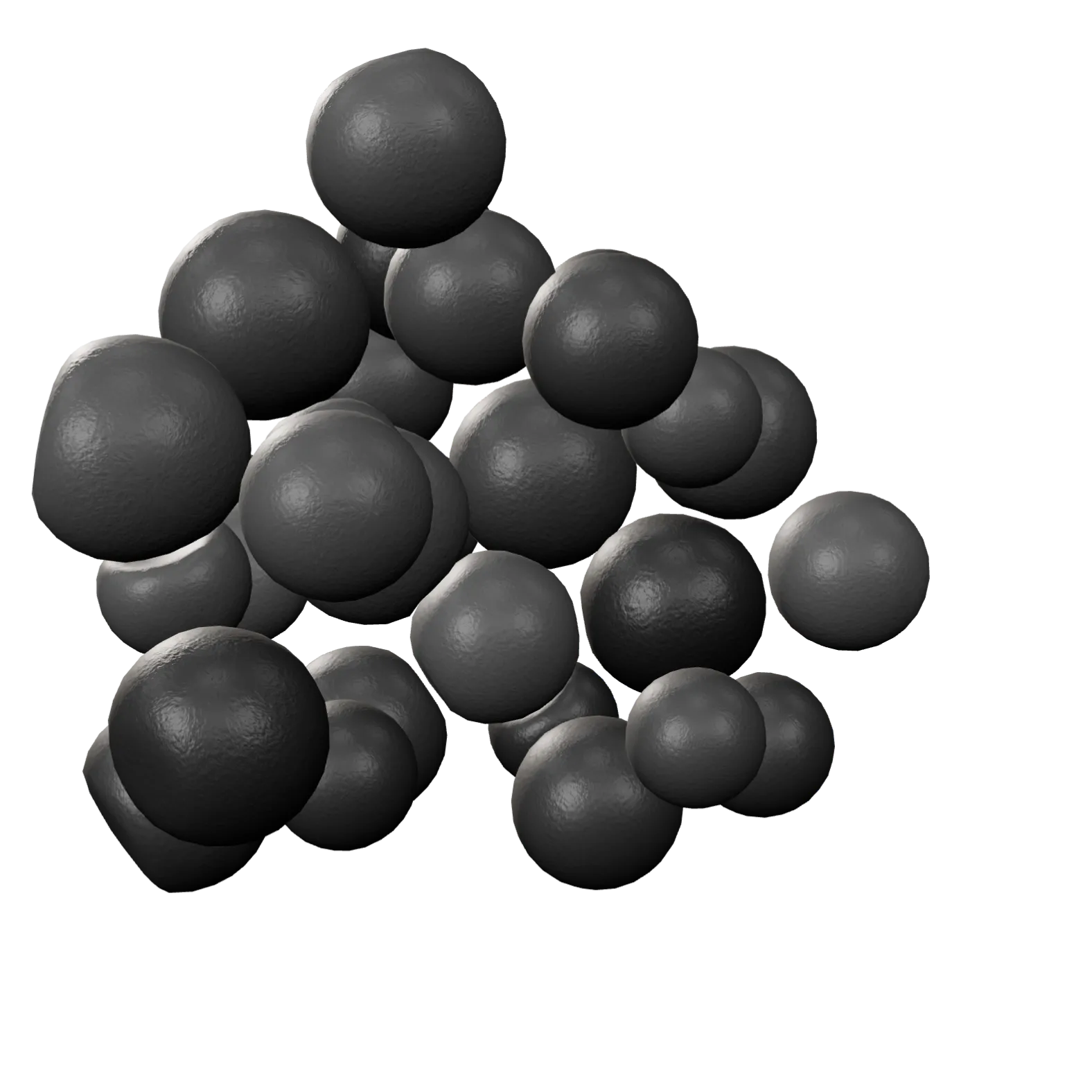
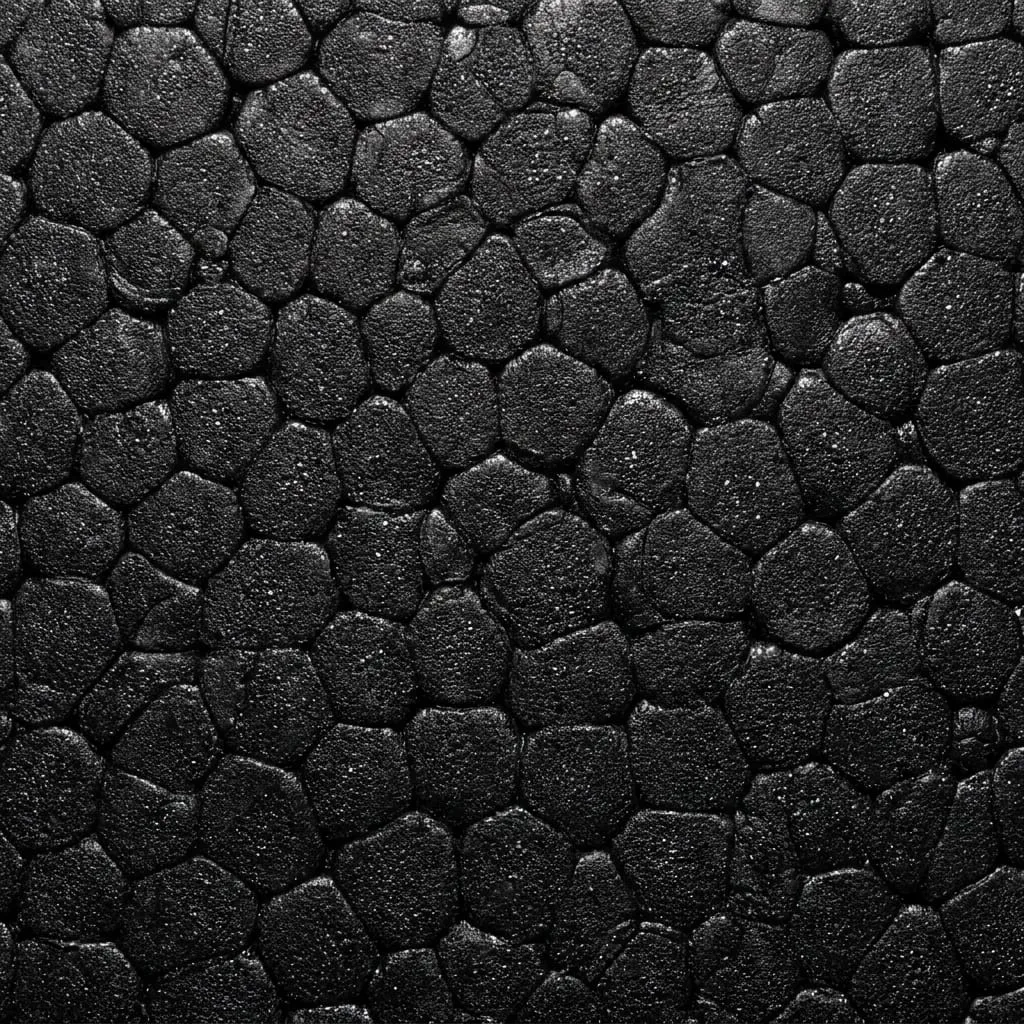
Particle foam consists of up to 98 percent air. The fused foam beads made of thermoplastic polymers form dimensionally stable parts that weigh extremely little and still withstand loads.
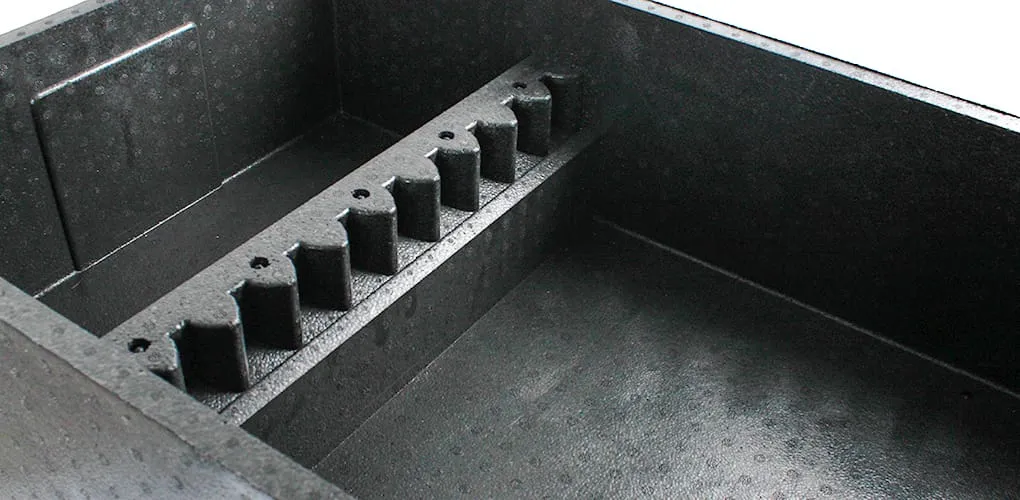
Particle foam absorbs impact energy through the controlled deformation of its cell structure, whether in packaging, in vehicles or in helmets. Elastic materials such as EPP deform largely reversibly and remain functional even under repeated loads.
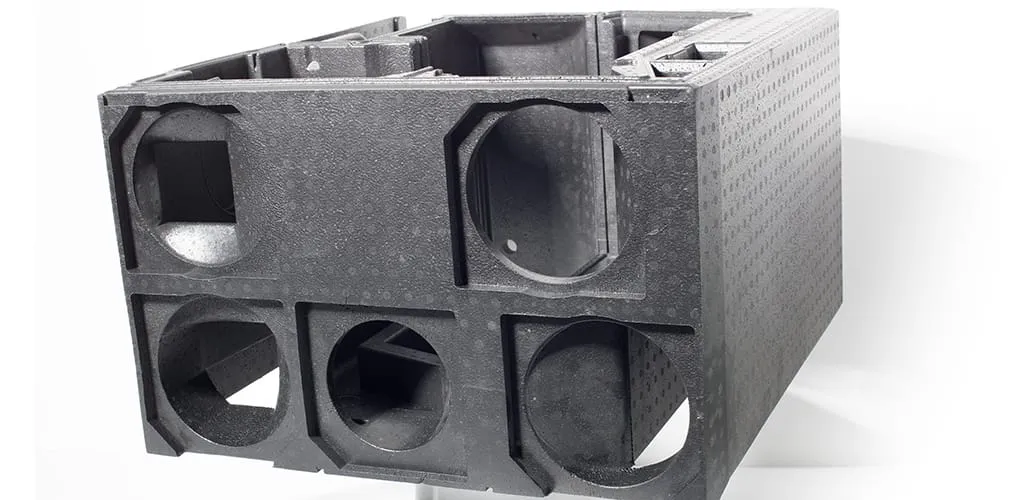
The air in its closed cells makes particle foam an effective thermal insulator, whether in building services, heat pumps or insulated boxes. Materials such as EPP also dampen sound and vibration.
free formable
Particle foam takes on almost any geometry, near net shape and in a single operation. How precise the part turns out depends on the mold it is made in. And on the experience that goes into it.
Depending on the material, particle foams differ significantly in their properties. That is exactly their strength: density, stiffness, elasticity and heat resistance can be tailored precisely to your requirements.
Expanded polypropylene. Robust, elastic and impact-absorbing, even under repeated loads.
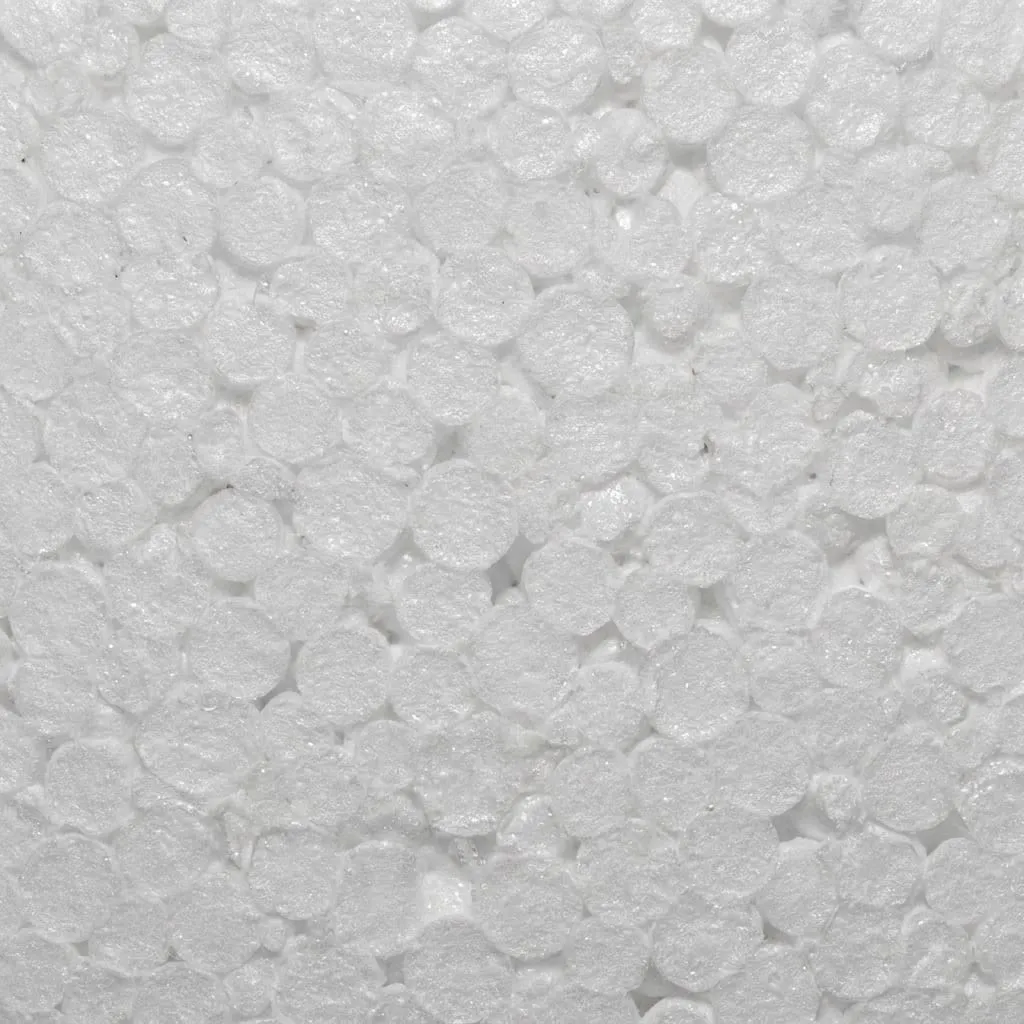
Expanded polystyrene. Very lightweight, a good insulator and economical in large volumes.
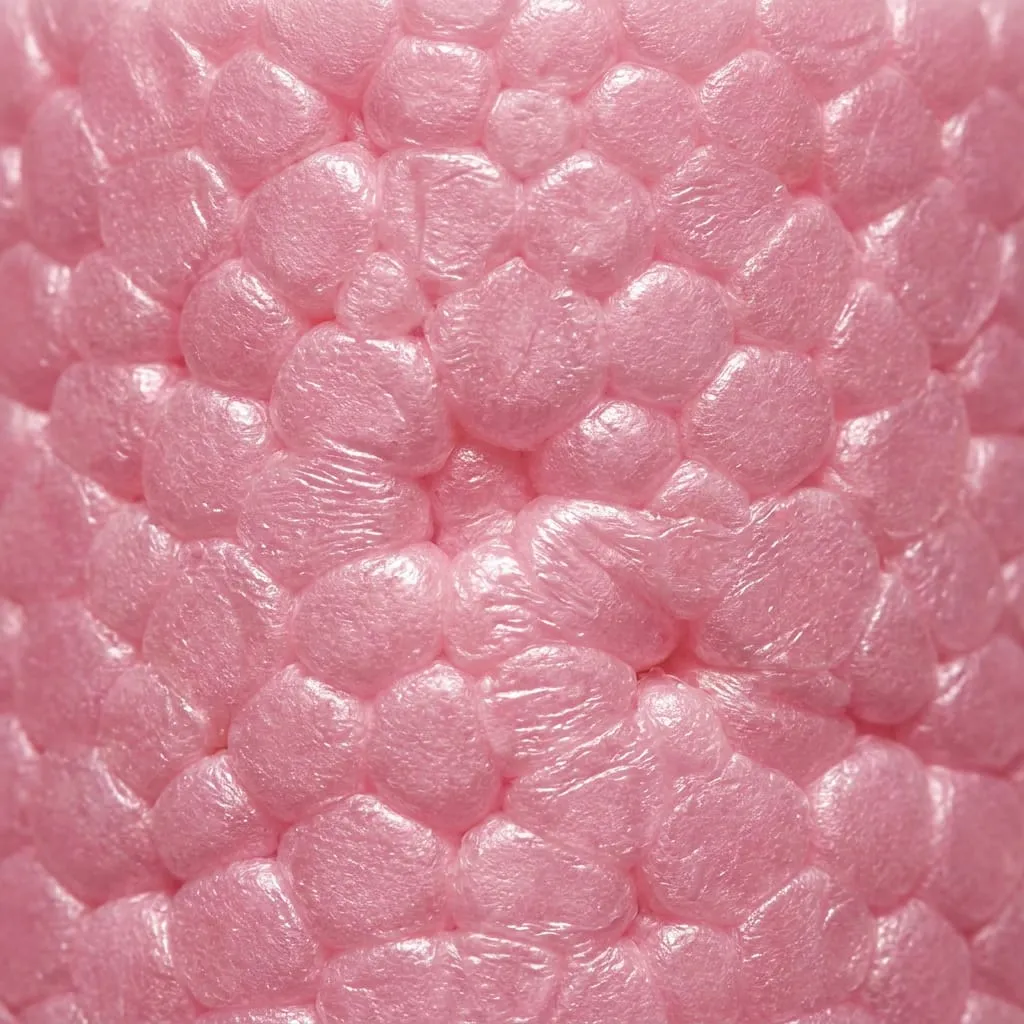
Expanded polyethylene. Soft, flexible and resilient even in severe cold.
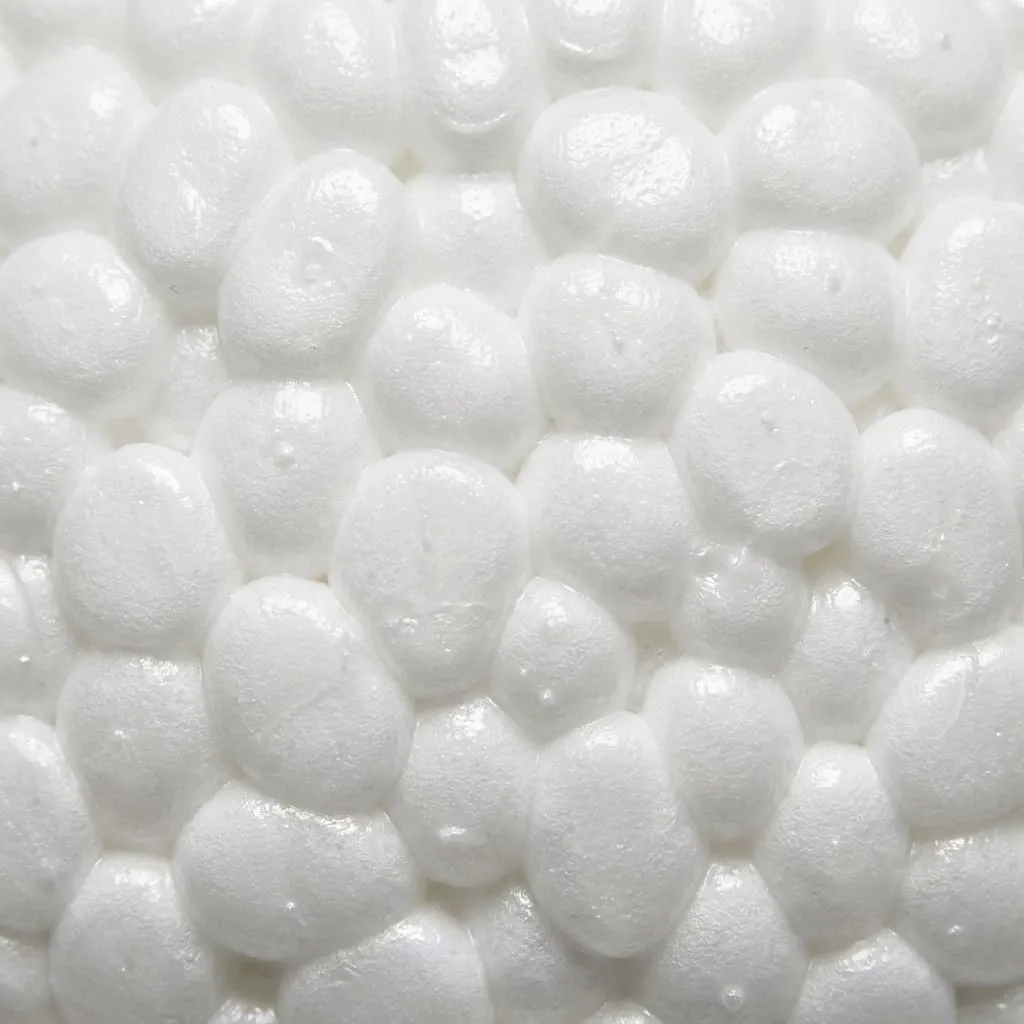
Expanded thermoplastic polyurethane. Highly elastic, abrasion-resistant and with high rebound.
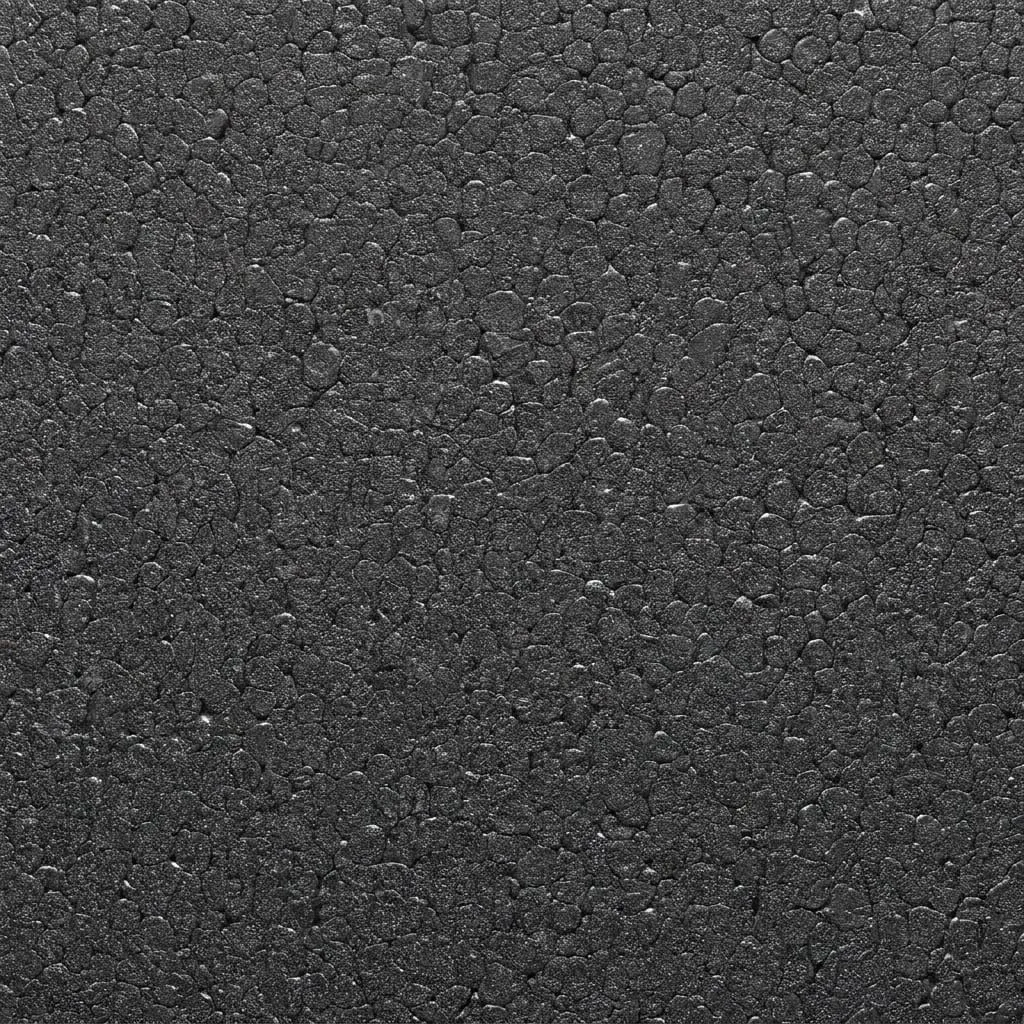
Expanded modified polyphenylene ether. Inherently flame-retardant and dimensionally stable up to about 120 °C.
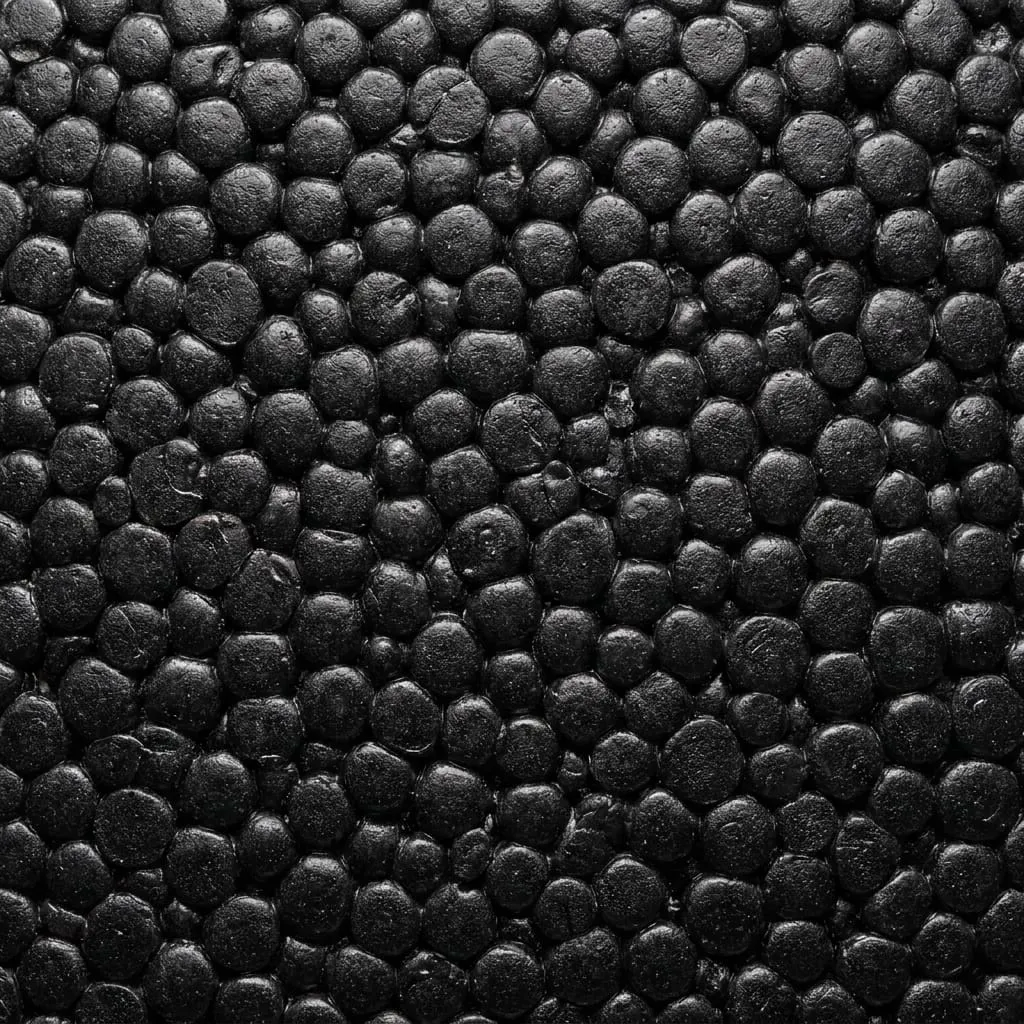
Expanded polyamide. Stiff, compression-resistant and continuously heat-resistant up to around 150 °C.
Particle foam keeps evolving: in its materials, in its processes and in toolmaking. With our experience, we make this progress tangible for our customers and turn it into real competitive advantages.
Molds that produce with less energy and in shorter cycles.
High-performance foams for higher temperatures and loads, bio-based alternatives and steam-free processes.
Recyclable parts made from a single material that replace multi-material solutions.

We are always looking for new ideas and for partners who want to take particle foam further with us.
Tell us about your part: by phone, by email, or through our contact form.